What Is Maxillofacial Surgery?
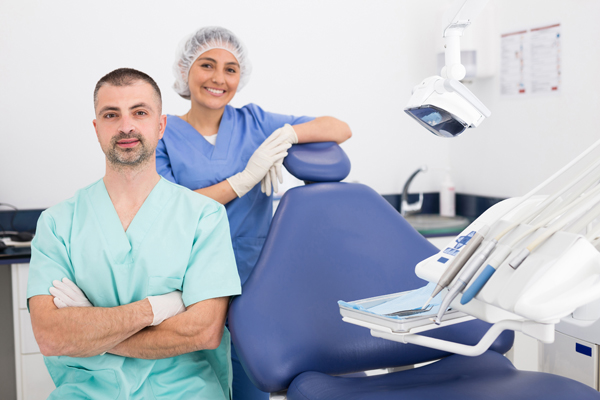
Maxillofacial surgery treats issues related to oral health; this includes addressing functional and cosmetic concerns as well. Maxillofacial surgeons go through extensive education and training and choose to specialize in treating more advanced dental concerns that require surgical intervention to properly address.
Maxillofacial surgery: here is what you need to know
Maxillofacial surgery may be necessary to treat more severe oral health problems. The following review discusses maxillofacial surgery, including an explanation of what it is, the different types of surgeries, its safety, and more.
Maxillofacial surgery explained
It may seem like a complex term, but maxillofacial surgery simply refers to surgery related to the lower part of the face (like the jaw, teeth, gums, etc.). In fact, the term “maxilla” means jawbone in Latin, so maxillofacial is a way of describing the jaw and surrounding facial areas, including teeth. A maxillofacial surgeon is a dental specialist who can surgically treat a range of dental-related matters.
The different types of maxillofacial surgeries
Maxillofacial surgery is a relatively broad term that includes a range of different surgery types. While the term “maxilla” technically refers to the jawbone, maxillofacial surgeons can treat issues related to teeth and soft tissues as well. Some of the more common types of surgical procedures that a maxillofacial surgeon may perform include:
- Dental implant placement
- Tooth extractions (including wisdom teeth)
- Oral reconstructive surgery
- Bone graft procedure
- Sinus lift procedure
- Jaw realignment
Of course, the above list includes only a few of the many possible procedures a maxillofacial surgeon may offer. Additional procedures may also include treatment for cleft palate, chronic facial pain, cancer (to remove a tumor), and more.
The safety and efficacy of maxillofacial surgery
Every surgical procedure has risks and requires recovery. Some of the risks are related to the anesthesia that is administered. Each procedure also has specific risks as well. However, maxillofacial surgery is safe overall, and severe complications are rare for most types of procedures.
The recovery process after maxillofacial surgery
As mentioned, most maxillofacial surgeries require recovery, which can take anywhere from a few days to more than a week depending on the type of procedure and its invasiveness. The oral surgeon should provide aftercare instructions to reduce the risk of an oral infection and make the recovery process as short and simple as possible.
When to consider maxillofacial surgery
After examination of dental X-rays and other diagnostic tests, a maxillofacial surgeon (or another type of dental professional) can explain all treatment options and their risks to the patient. Surgery may be the best option if non-surgical methods have not or are not able to help the patient meet their goals.
Maxillofacial surgery is a way to address a range of oral concerns
You can connect with our oral surgery team today by phone or message to set up a consultation visit. Whether you have a referral from your dentist for oral surgery or are considering maxillofacial surgery in general, we look forward to hearing from you and helping you achieve your treatment goals.
Request an appointment here: https://monroe.premieroralsurgeryct.com or call Premier Oral Surgery & Implantology Center at (475) 474-6204 for an appointment in our Monroe office.
Check out what others are saying about our services on Yelp: Read our Yelp reviews.
Related Posts
Impacted teeth can cause many problems in the mouth. Pain and infection are two of the most common setbacks of this condition. Knowing more about this issue can help you set an appointment with your dentist soon. Here are the causes and available treatments for impacted teeth.Tooth impaction occurs when the jawbone does not have…
Oral pathology is the study and diagnosis of diseases that affect the mouth, jaw, and surrounding structures. Recognizing early signs of oral diseases is essential, as many conditions can progress if left untreated, impacting not only oral health but also overall health. For patients and healthcare providers alike, understanding the basics of oral pathology can…
Full arch treatment offers a stable, natural-looking way to replace an entire row of teeth with dental implants and false teeth. The results are natural-looking and functioning, while preventing gum and bone resportion. Knowing what happens before, during, and after can help reduce stress and support a smooth healing process.Full arch treatment serves people who…
Single tooth implants are a reliable way to restore a smile after experiencing the sudden gap of a missing tooth. While a space may seem like a minor cosmetic inconvenience at first, it can alter how you speak and chew. Fortunately, an oral surgeon introduces this tooth replacement option to seamlessly rebuild oral health from…