Understanding Oral Pathology: Key Insights for Patients
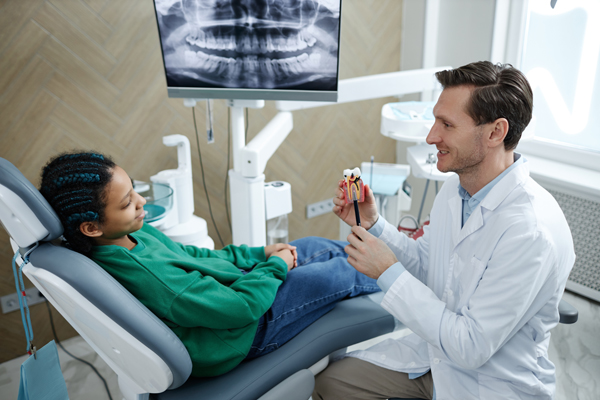
The American Dental Association defines oral pathology as a field of dentistry that deals with the illnesses of the mouth. Identifying and managing these diseases is crucial in achieving oral and general health. Understanding this type of pathology can prepare you for your treatment. Here are the key insights patients like you must consider about oral pathology.
The significance and scope
Oral pathology spots and treats diseases affecting the mouth and the areas surrounding it. This field includes from benign cases and infections to more serious problems. It is an investigative area of dentistry aiming to target these conditions. The scope of oral pathology includes the following:
- Autoimmune diseases that attack the immune system’s tissues
- Fungal, bacterial, and viral infections that cause chaos in the mouth
- Tumors and cysts that can be malignant or benign
- Oral cancers that need early detection and treatment
The symptoms
In oral pathology, awareness is the most important step in tackling the condition. This step needs a full evaluation of the patient’s mouth. A physical dental exam, scans, and even laboratory exams are necessary to confirm the disease. Knowing the following symptoms can also help identify the illness:
- Changes in the gum tissue around the teeth may be a warning sign
- Persistent ulcers or sores that do not heal within two weeks
- White and red patches
- Swellings or lumps
- Chronic discomfort or pain in the face, mouth, or jaw
Oral pathology diagnosis
An oral surgeon can diagnose diseases of the mouth and its neighboring areas. The first phase involves seeing the surgeon. The surgeon will ask about the patient’s concerns, medical history, and symptoms. A thorough inspection of the neck, mouth, and head is essential. Doing so can help create a custom-fit treatment plan.
Diagnosing an oral pathology needs techniques and tools. Laboratory tests need cultures and blood tests to detect oral conditions. A biopsy takes a tissue sample for the lab to examine. This procedure is the gold standard for diagnosing any oral pathology. Imaging scans can help spot abnormalities of oral structures.
Treating an oral pathology
The dentist will create a custom-fit treatment plan after diagnosing the oral condition. This plan will include medications and management techniques. The treatment will depend on the type of oral pathology. It also depends on how severe the condition is.
Medications are effective in treating autoimmune diseases and infections. Dentists who deal with oral diseases can identify and manage these cases. Custom-fit medication treatments can target the symptoms and underlying conditions. The patient must follow the dentist’s instructions when taking the medications. Surgery may be crucial for removing abnormal maxillofacial and oral growths. An oral surgeon will use the latest techniques to ensure healthy results.
A good knowledge of oral pathology can help patients prepare for the necessary treatment
Studies show that diseases of the mouth and its surrounding areas can affect your general health. That is why diagnosing and treating oral pathology early is necessary. This crucial step is vital to improving one’s well-being. Working with an oral surgeon can ensure painless procedures and prevent complications.
Request an appointment here: https://monroe.premieroralsurgeryct.com or call Premier Oral Surgery & Implantology Center at (475) 474-6204 for an appointment in our Monroe office.
Check out what others are saying about our services on Yelp: Oral Pathology in Monroe, CT.
Related Posts
Impacted teeth can cause many problems in the mouth. Pain and infection are two of the most common setbacks of this condition. Knowing more about this issue can help you set an appointment with your dentist soon. Here are the causes and available treatments for impacted teeth.Tooth impaction occurs when the jawbone does not have…
Oral pathology is the study and diagnosis of diseases that affect the mouth, jaw, and surrounding structures. Recognizing early signs of oral diseases is essential, as many conditions can progress if left untreated, impacting not only oral health but also overall health. For patients and healthcare providers alike, understanding the basics of oral pathology can…
Full arch treatment offers a stable, natural-looking way to replace an entire row of teeth with dental implants and false teeth. The results are natural-looking and functioning, while preventing gum and bone resportion. Knowing what happens before, during, and after can help reduce stress and support a smooth healing process.Full arch treatment serves people who…
Single tooth implants are a reliable way to restore a smile after experiencing the sudden gap of a missing tooth. While a space may seem like a minor cosmetic inconvenience at first, it can alter how you speak and chew. Fortunately, an oral surgeon introduces this tooth replacement option to seamlessly rebuild oral health from…